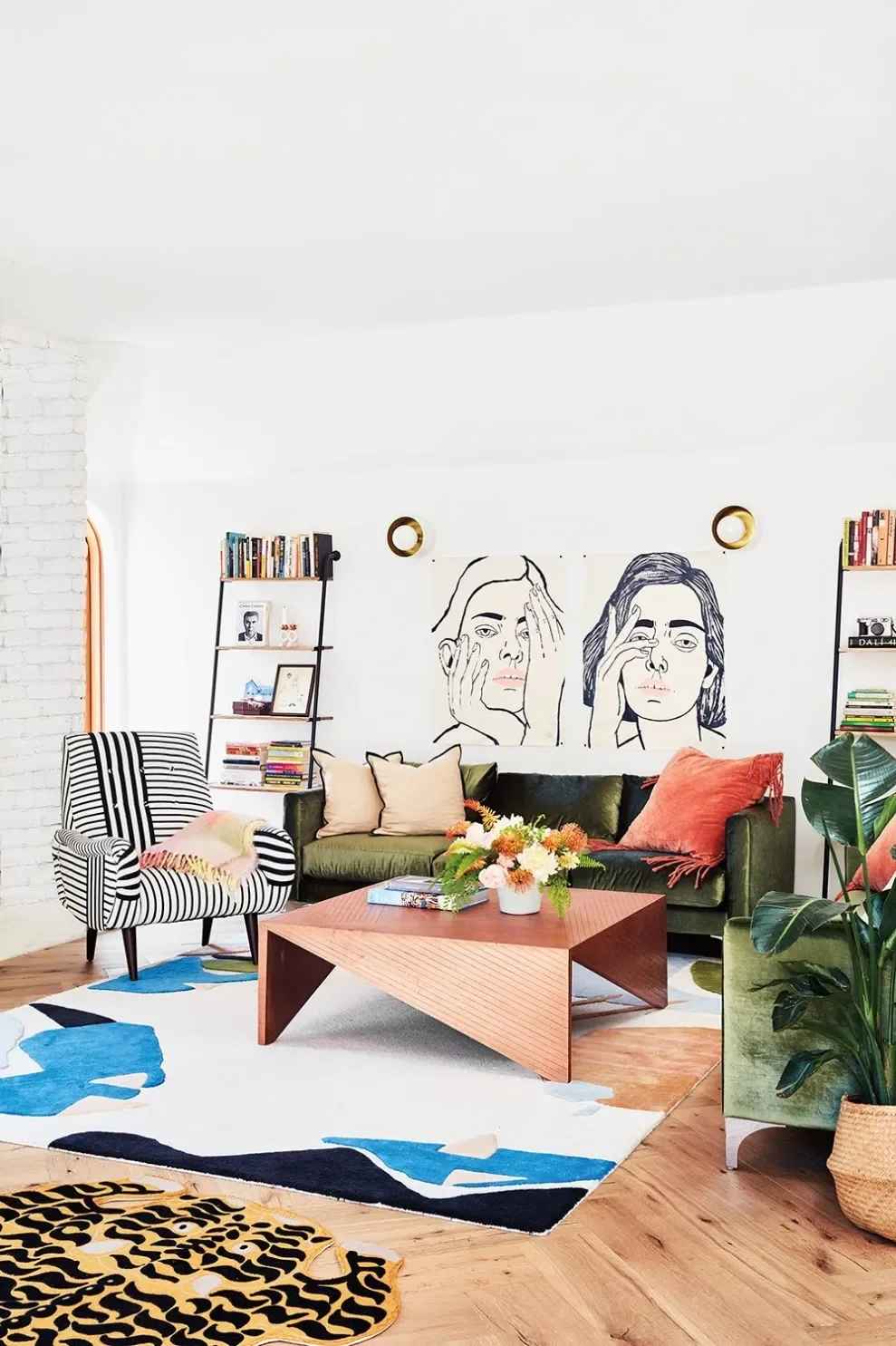
The Essential Lesson Every Renter Should Learn Before Moving In
Key Specifications
UpdatedSep 6, 2019 6:59 PM EDT
We may earn revenue from the products available on this page and participate in affiliate programs.
Sign Up for Domino’s Newsletter
There is a well-worn adage that “good things come to those who wait.” For most of my life, it felt like a convenient fiction—one designed to instill patience where none naturally existed. I surrendered countless sale-alert opportunities and sold-out tickets to that very sentiment. So when it came time to furnish my new apartment last July, I was determined to act decisively. The prospect of sleeping on an air mattress was sufficiently unsettling that I purchased a bed frame within the first two weeks.
It is now February, and I regret that bed frame entirely. I regretted it the moment it arrived at my door surrounded by a sea of styrofoam and torn cardboard, but the logistical challenge of returning such a bulky item and my immediate need for a place to sleep prevailed, and I kept it. The lesson was clear: Rushing into furnishing a space, even a rental, is never a sound strategy.
Over the ensuing seven months, I built my space gradually—through visits to vintage shops, travels through Europe, and occasional forays into my parents’ attic to uncover forgotten treasures. I tested my roommate’s patience with an endless stream of texts featuring linen pillowcases and shelving options, soliciting her opinion at every turn.
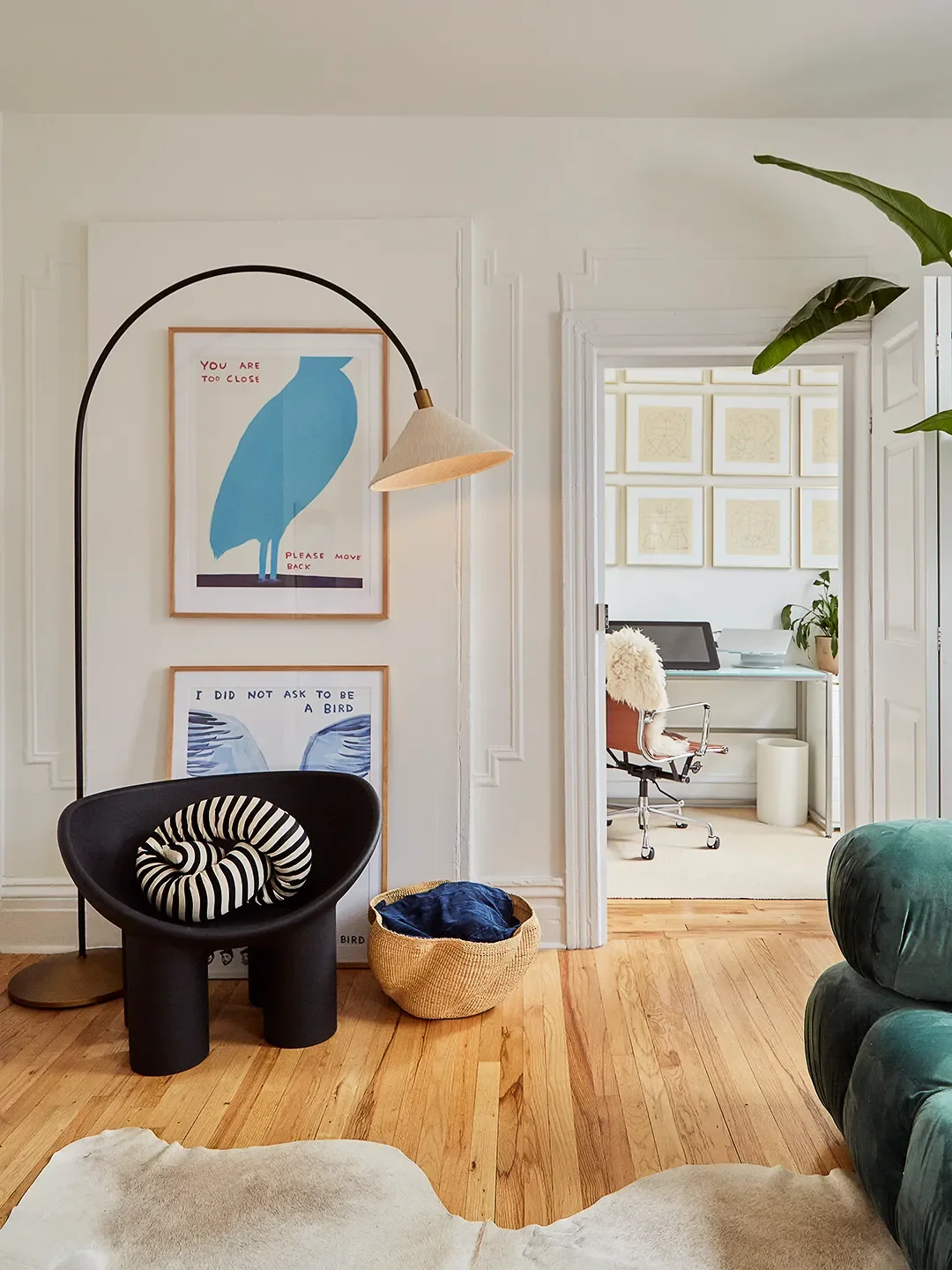
While I’m only now arriving at the finishing touches—hanging photography, sourcing a doormat—I’m deeply grateful I allowed the rest of my apartment to evolve at its own pace. This approach not only yielded significant savings by enabling more thorough searches for better value, but it also gave me the space to develop a genuine design sensibility.
Here are the strategies that proved most effective in gradually curating my rental.
This doesn’t require you to commit to a single stylistic label—particularly since many design enthusiasts embrace a layered, multi-referential aesthetic—but it does mean cultivating a clear understanding of what resonates with you. For me, my Instagram “saved” folder became an invaluable tool for decoding my personal style. It proved especially useful for discovering compelling color pairings, which ultimately informed the palette for every purchase. My “saved” folder is directly responsible for the tonal pink bedroom I now inhabit—despite having previously considered myself indifferent to the hue. After bookmarking countless images showcasing gradient pinks and burgundies in conversation, the palette became irresistible.
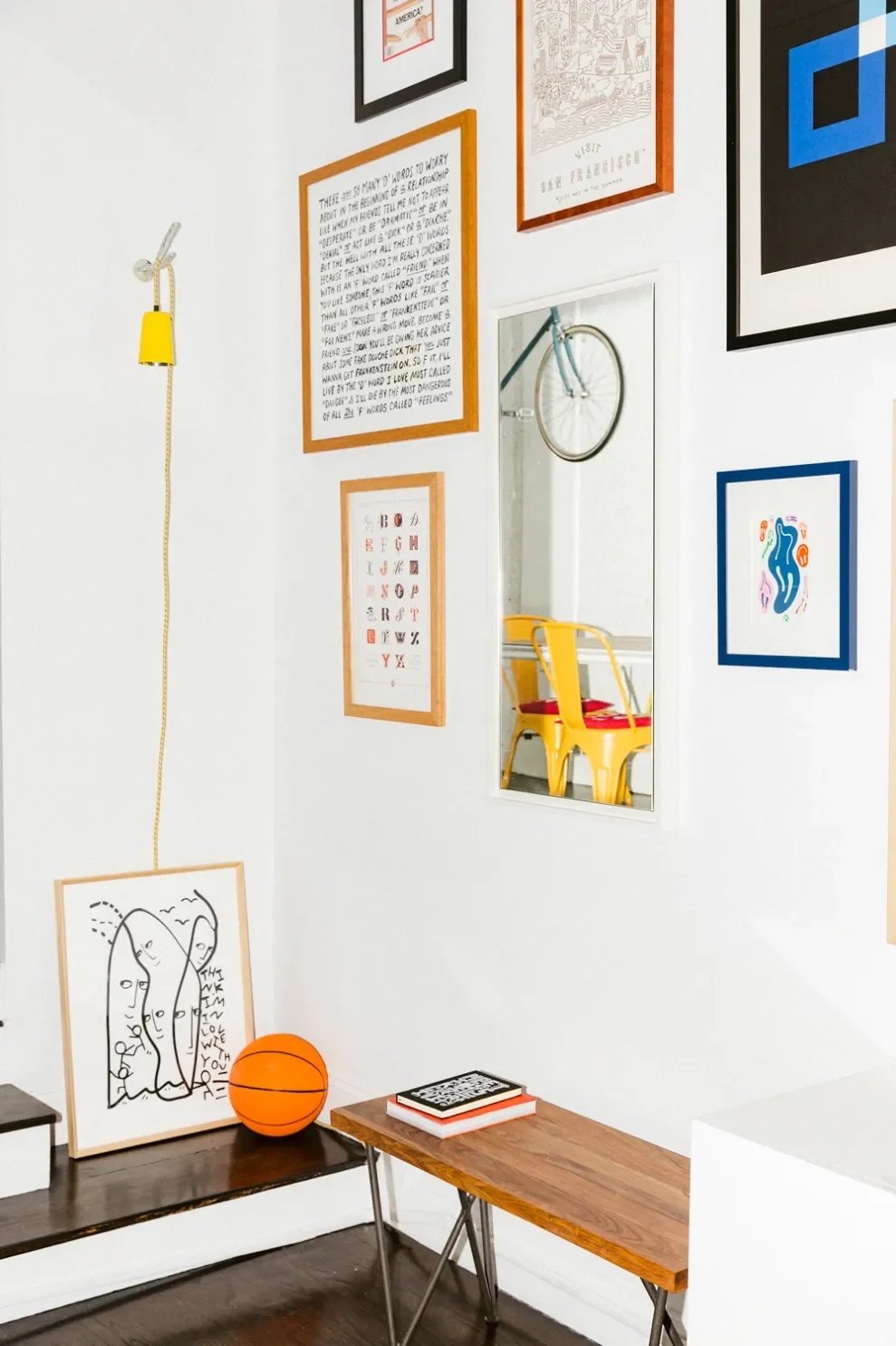
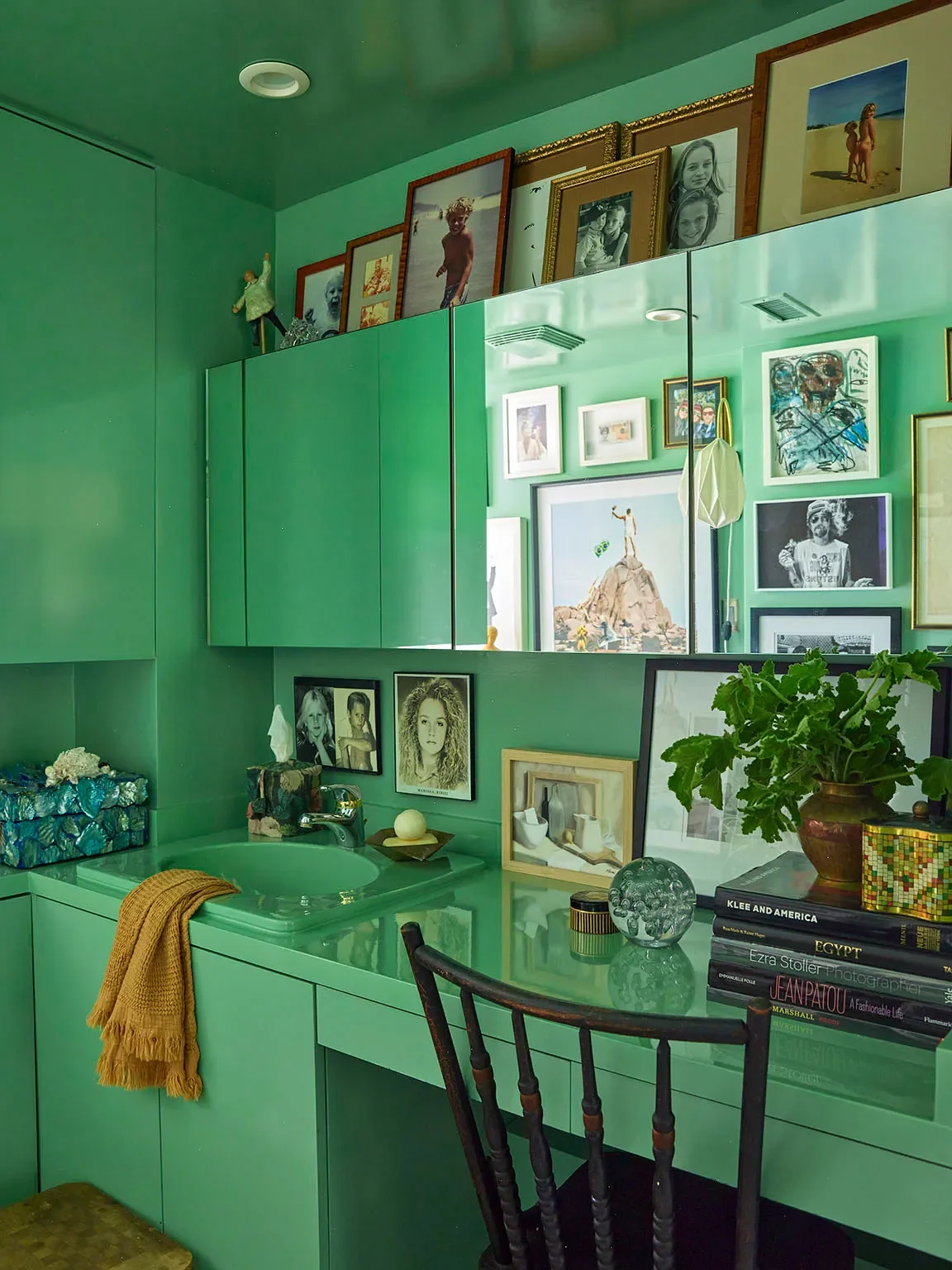
Dedicate time to bookmarking your favorite design publications and identifying interior designers or bloggers whose sensibility aligns with yours. Beyond an abundance of design inspiration, you may discover compelling DIY projects along the way. I drew on A Pair and a Spare’s imperfectly laid-out gallery wall DIY to shape my own approach. Her concept of filling frames with unconventional materials—wrapping paper, handwritten cards—rather than traditional artwork opened up entirely new possibilities.
As a visual thinker, I rely on written organization across the three separate to-do list notebooks I maintain (a compulsion, admittedly), so it was natural that a structured list would clarify my furnishing and decor priorities. Create categories for what you already own, what you intend to replace, and what you need to acquire—this framework brings essential focus to the decorating process.
Then donate items you no longer want or sell them through a reputable secondhand platform. There are excellent online resources for divesting unwanted furniture. Sites like AptDeco (for New York City residents) and Craigslist became permanent bookmarks on my browser due to sheer frequency of use. This approach ensures nothing goes to waste—and may generate funds to allocate toward new acquisitions.
Prioritize your list by distinguishing between “want” and “need.” I found this discipline particularly valuable, as I have a tendency toward the dramatic—immediately categorizing every desire as a necessity. Stepping back and reevaluating each item brought welcome clarity.
Antique or contemporary? Secondhand or newly produced? Whether driven by aesthetic preference or budget constraints, determining the character you want each piece to convey will streamline the sourcing process considerably.
For my own part, I gravitate toward antiques. I persuaded my friends (who own a vehicle with a capacious trunk—a luxury whose value becomes apparent only when you reside in a city where car ownership is rare) to join me at the Brimfield antique show, deliberately postponing major purchases like a coffee table until that excursion. I also found it helpful to identify retailers with a known design sensibility—CB2 for contemporary minimalism, H&M Home for accessible linen textiles—so I wasn’t spending hours searching the internet for the precise piece I envisioned.
Finally, categorize your list into “invest” pieces versus “economize” pieces. Establishing realistic expectations and keeping cost at the forefront reduces both the overwhelm of furnishing a space from zero and the risk of impulsive spending on items that don’t warrant the investment.
When you’re ready to begin furnishing in earnest, start with the foundational elements. If a sofa will anchor the design direction of your living room, make that your initial acquisition and allow the rest of the room to develop around it over time. If you plan to paint, do so before installing wall-mounted shelving and hanging art—a lesson I learned the hard way, having deferred painting and now facing the prospect of removing and reinstalling numerous wall-mounted pieces.
Your home should be a source of genuine pleasure. Take the time to fill it with pieces that truly resonate with you. This isn’t to suggest you must spend hours weighing the merits of a ceramic vase—simply ensure that every acquisition, whether significant or modest, reflects your personal style or carries sentimental meaning. Especially when you’re building a decor collection from the ground up, this mindfulness guarantees you won’t need to start over the next time you move.
Elly enjoys covering anything from travel to funky design (tubular furniture, anyone?) to the latestcultural trend. Her dream apartment would exist on the Upper West Side and include a plethora of mismatched antique chairs, ceramic vessels, and floor-to-ceiling bookcases—essential to her goal of becoming a poor man’s Nora Ephron. You can probably find her in line at Trader Joe’s. You will never find her at SoulCycle.
Learn more about Domino.comEditorial Standards

_Airbnb_Experien/img_00.webp)