I Tested This Gwyneth Paltrow–Approved Curtain Brand to Discover What All the Fuss Was About


Key Specifications
We may earn revenue from the products available on this page and participate in affiliate programs.
Sign Up for Domino’s Newsletter
Shopping for curtains isn’t a design task I eagerly anticipate. While they’re among those finishing touches that make a room feel truly complete, I don’t relish navigating the maze of materials, sizing, and hardware. That much is evident from the fact that my husband and I left nothing special up in our Brooklyn two-bedroom forfour years(don’t judge). Admittedly, a few other reasons feed the reluctance: We have only four windows total; a building across the way blocks the afternoon sun; and most of the year tree coverage obscures the view in from the street. Ultimately, curtains are the category where I’d rather someone else handle the heavy lifting. EnterEverhem.
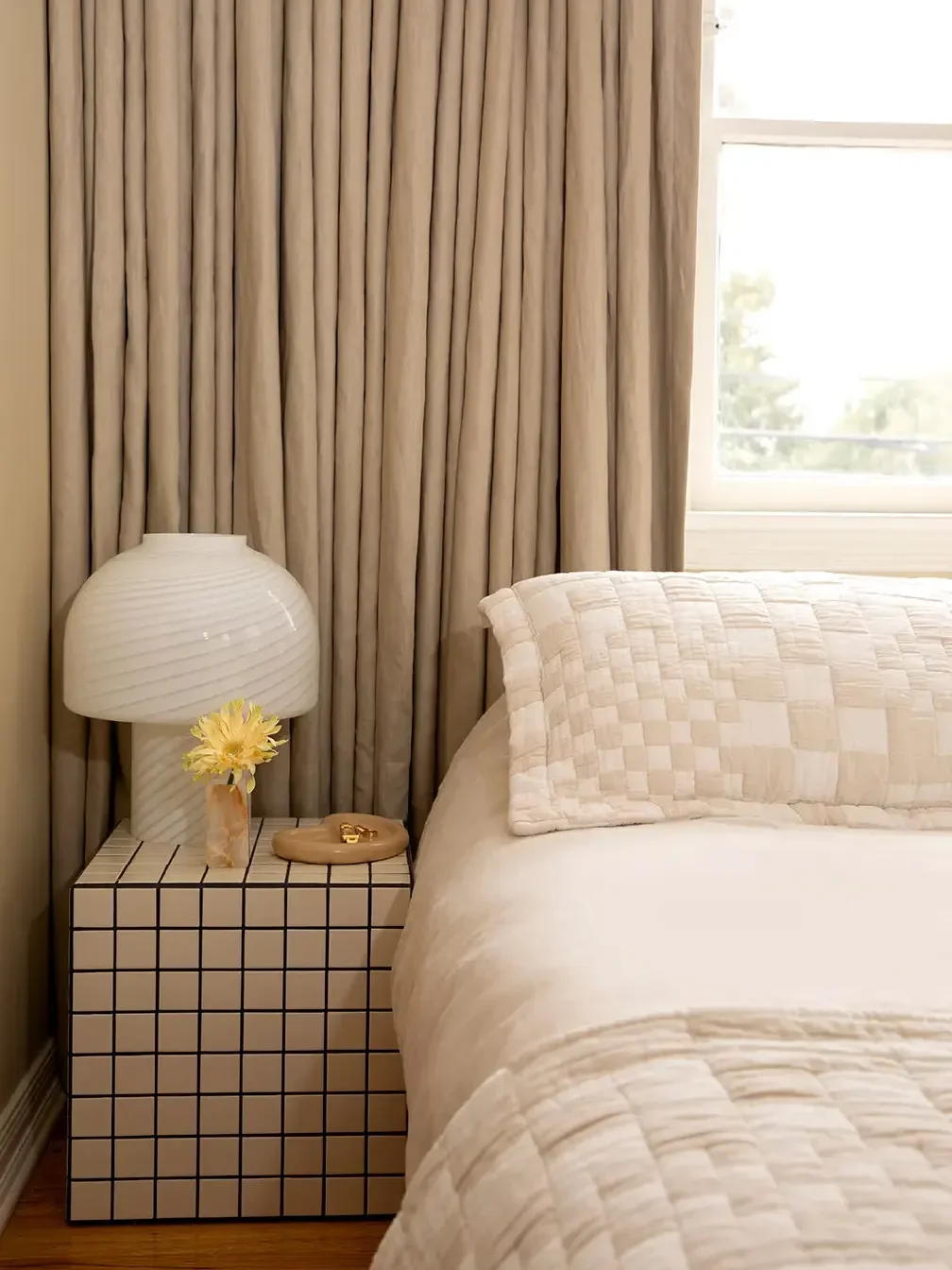
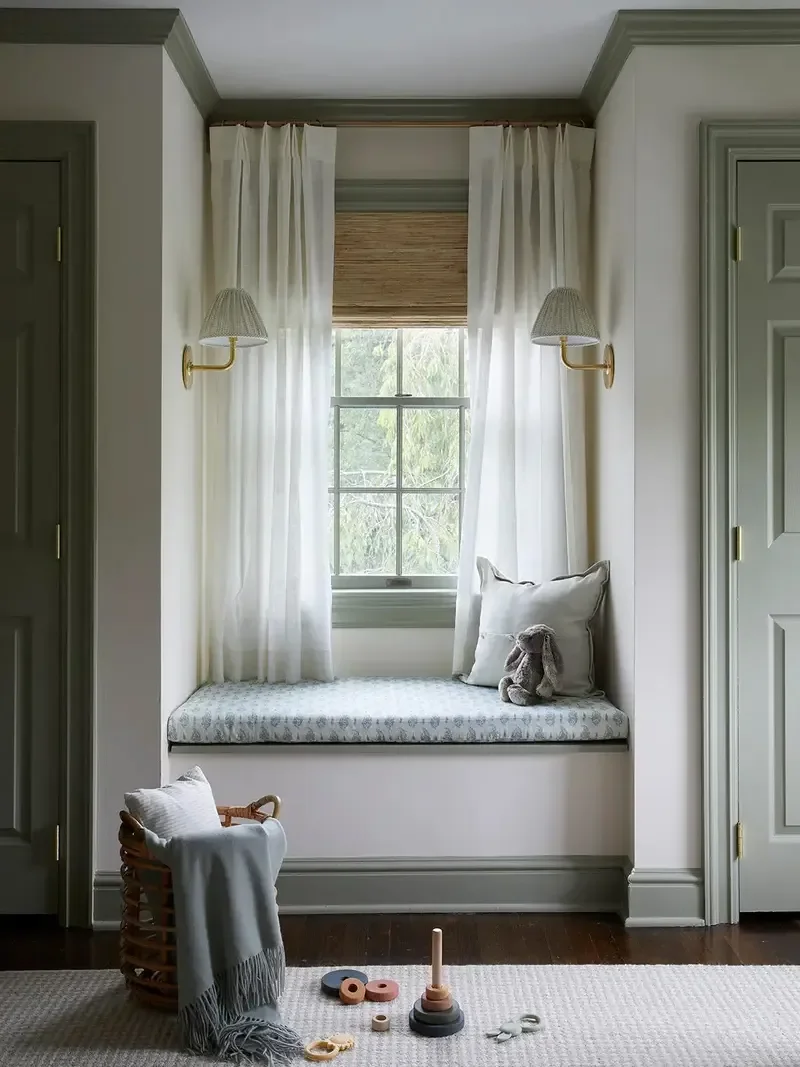
I’ve written and edited my share of house tours, and while many lean on custom curtain and shade services, one window treatment brand has surfaced again and again over the past few years: L.A.-based Everhem, founded by interior designer Haley Weidenbaum and her husband, Adam.Sarah Sherman Samueluses its drapes in her projects; Heather Taylor Home has done a cobranded line; and Gwyneth Paltrow hung its shades inGoop’s New York office. Alyssa Coscarelliswears by the blackout curtains, and Madelynn Furlong turned to the company for herManhattan apartment. I’ve spotted the window treatments in aphotographer’s cozy home, ajewelry designer’s greenhouse, oneConnecticut nursery, and thisserene primary bathroom. I was intrigued, to say the least: What was it about these curtains that had everyone snapping them up, especially given the higher price point (standard sizing starts at $400)?
In November 2023, our panel of judges presented Everhem with aGood Design Awardfor its cotton-linen blendCafé Curtains. As it happens, that was the style I’d been seeking without even realizing it.
Velvet proved too heavy for us; paper shades too flimsy to feel long-term. Plus I’m among those who actually prefer the sun filtering in each morning; I don’t enjoy sleeping in pitch black. Offering privacy without obscuring the whole window and more romantic in spirit than top-down/bottom-up shades, sheer café curtains can evoke a cottage kitchen or Paris bistro (I’m a great admirer of the look at New York’sCorner Bar). In our space, I knew they’d lend the same timelessness we embrace across all of ourfurnishings, decor, and paint colors. But, as an editor, I like to test as many products as I can to better gauge quality and material. I decided to reach out to the brand to see if I could try the curtains at home.
The measuring process on our initial call—yes, you can opt to speak with a real, live person—couldn’t have been simpler. Ahead of my scheduled chat with Kasandra, one of the customer support managers, she sent a brief prep guide on products, tools, and more to have on hand. Together over the phone, we measured each oddly sized window in our circa-1800s carriage house, noting the width and length of the frames as well as where the hardware would sit (we chose to inner mount). There was none of the trial and error inherent in buying curtains off the shelf, nor the wasteful nature of excess packaging and returns—one of the selling points that makes the splurge worth considering in my eyes.
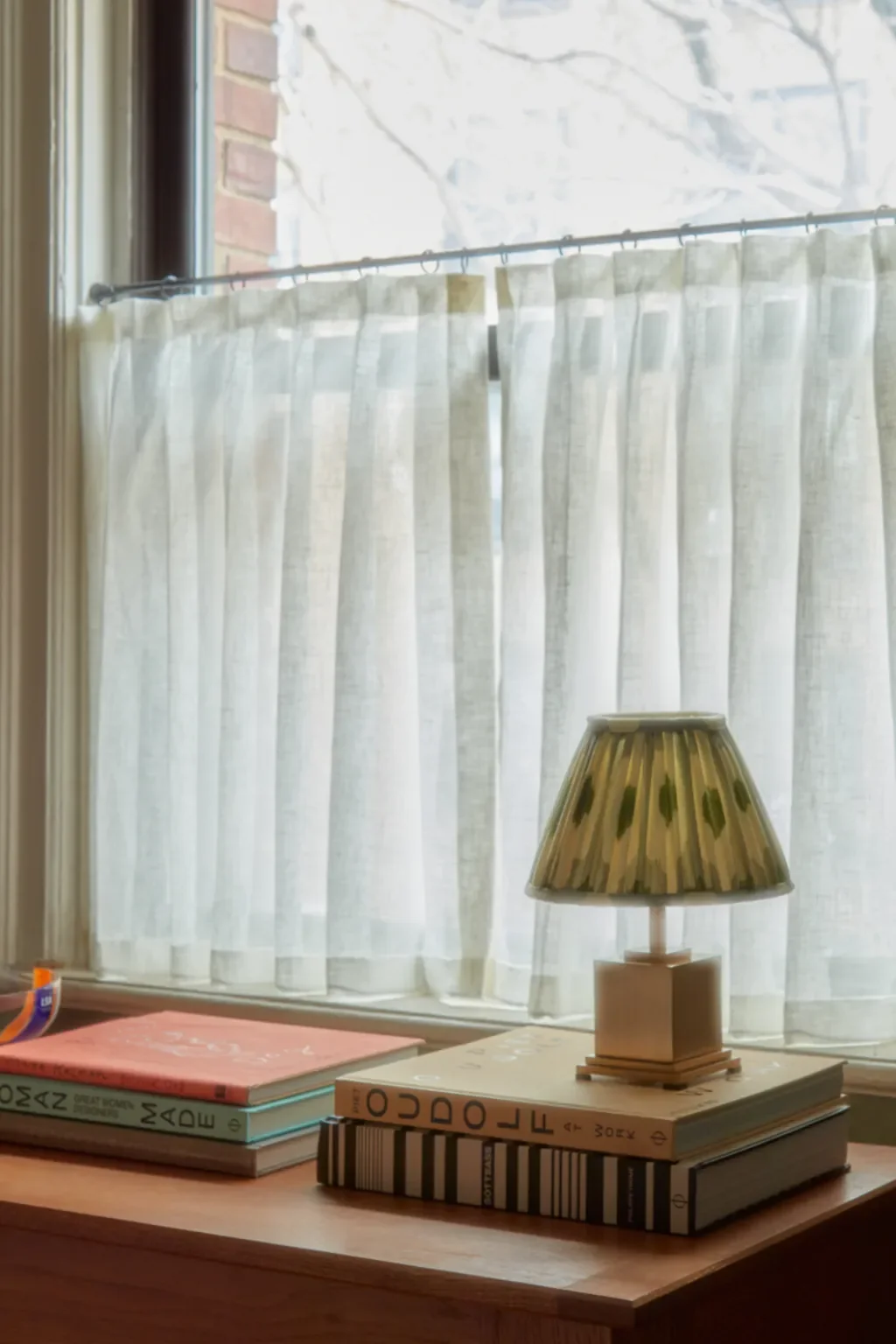
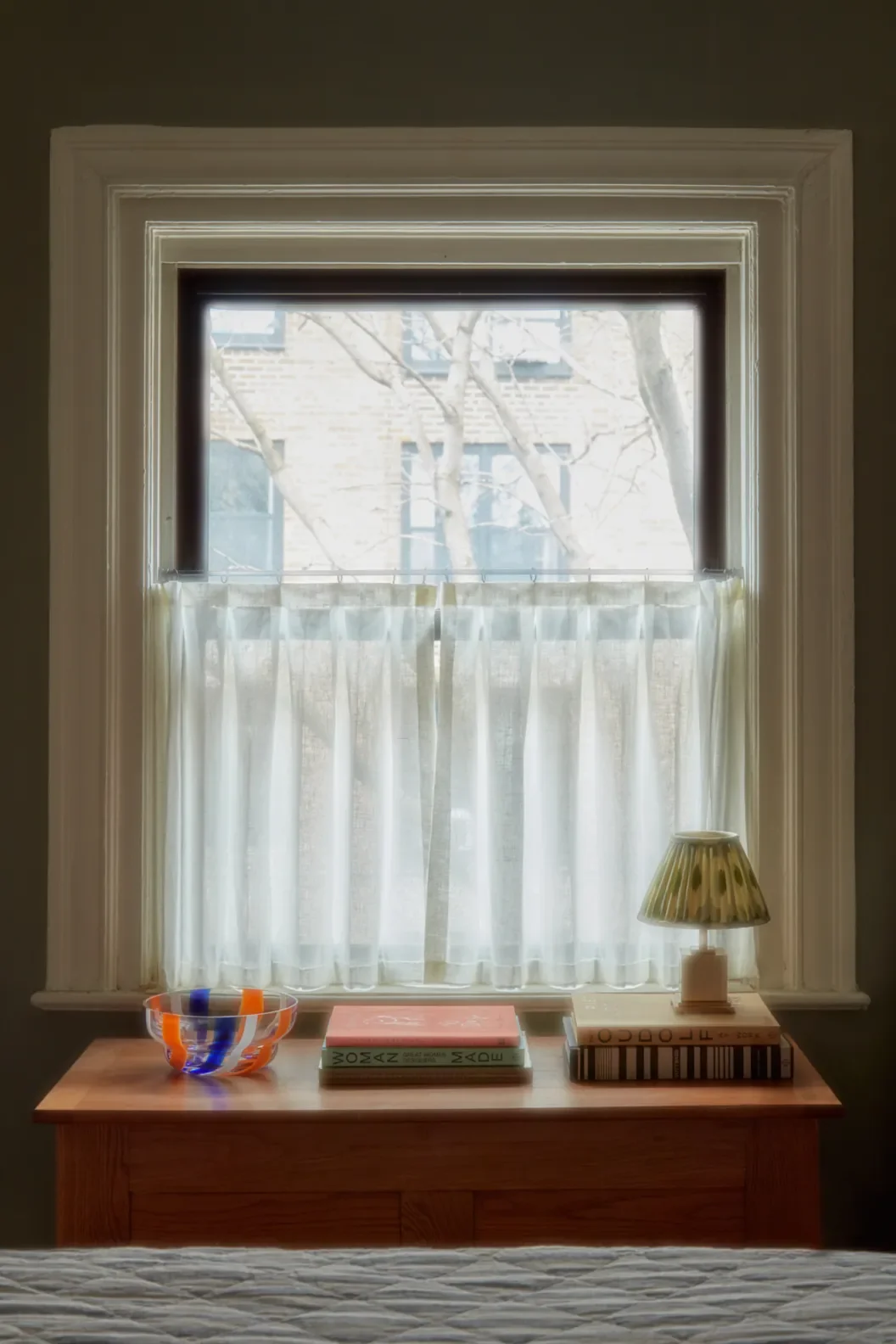
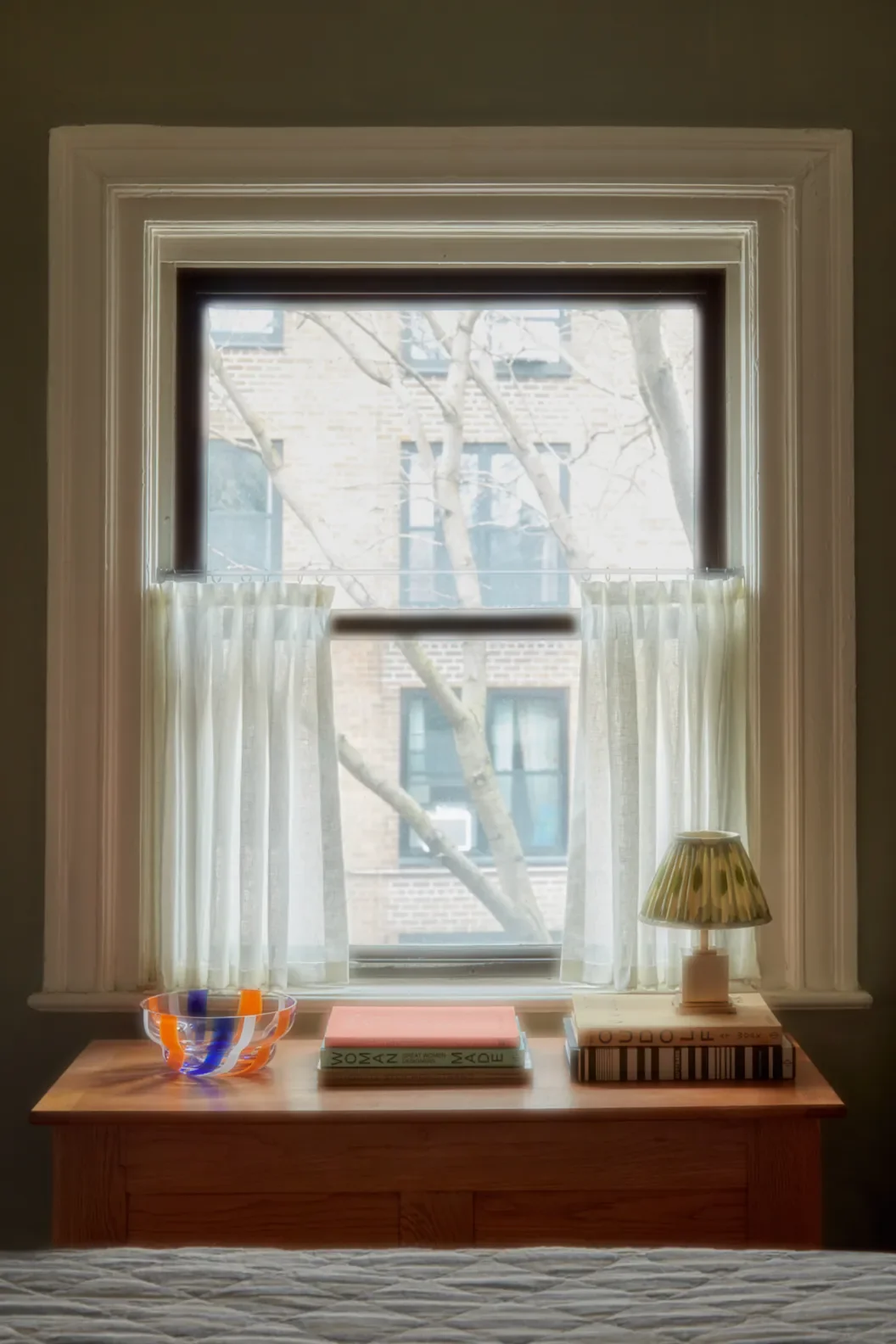
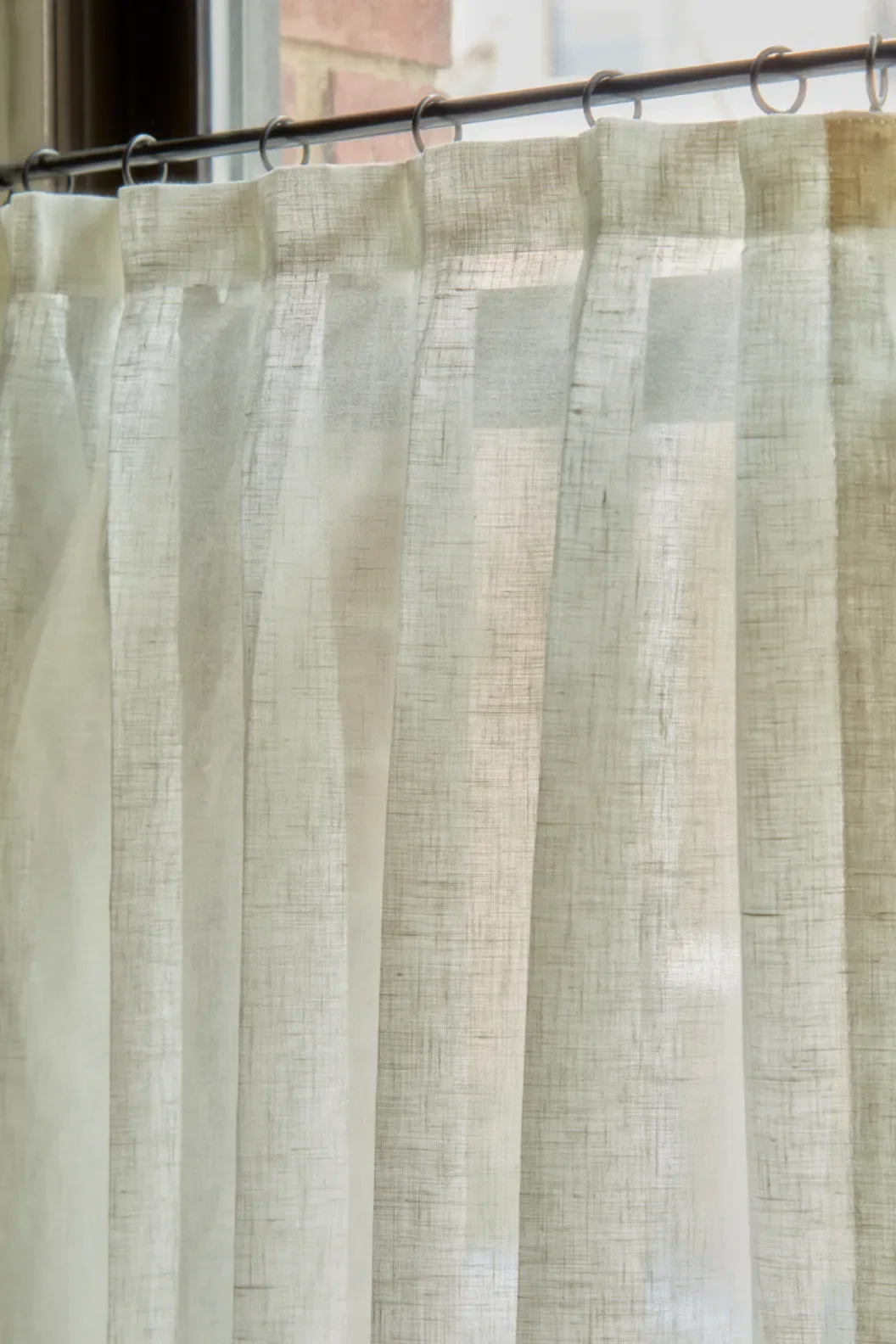
Everhem’s café curtains arrive with more than a dozen customization options, spanning fabric, pleat style, lining, and hardware. A few days after the call, three neutral swatches (primarily a linen-cotton blend with a small percentage of polyester) arrived, and Kasandra emailed several images of the different pleat options. After holding up each piece in various lighting throughout the day, I settled on the Bone hue with classic box pleats and matte black hardware to blend with the window frames. Lastly, I loved the look of two curtains rather than a single panel, so we went that direction.
Order quotes are entered and updated on Everhem’s website so you can verify that everything is correct before adding yours to your cart. The brand is clear and upfront about the timeline for drapery, shades, or hardware: up to six to eight weeks. That’s because each window treatment is hand-sewn and custom-made in the U.S. While some components like cords may be sourced globally, manufacturing—including cutting, sewing, hardware forging, and powder coating—is handled solely by small American businesses. All of that carries a higher price, of course, so I consider Everhem a better bet for a longer-term rental or a home you own.
A few things to note before diving in. All products are final sale; there are no returns unless something arrives incorrect, damaged, or defective. Your fabric color and pattern selections are limited to six options, though I expect that to expand over time as the brand grows. (If you’re after more color and a slightly lower price, tryLoom & DecororBallard Designs, but you won’t be able to customize to specific measurements or pleat style.)
When they arrived, I could see the hype was real. The products arrive well packaged in sturdy cardboard without overflowing with unnecessary padding, and installation proved straightforward. For something more involved, such as a floor-to-ceiling look, I could picture the process taking longer or requiring a hired Taskrabbit, but café curtains are remarkably DIY-friendly; it likely took all of 30 minutes to mount the four rods and curtains. The slightly textured panels bring warmth without feeling fussy; the pleats are sharp but not rigidly so; and they add a touch of privacy without being lined. Everything about them, even the hardware, feels soft and delicate. They do, indeed, finish the room—and without the usual shopping anxiety.
Samantha Weiss-Hills is the managing editor for Domino. She edits and writes home tours and features, and she’s the friend who everyone texts for glassware, sofa, and sheet recommendations. She lives in Brooklyn with her husband, Alex, and their beagle-corgi, Elsa.
Belle is the in-house photographer and associate photo editor for Domino, capturing everything from home tours to gift guides, plus the occasional how-to project. She joined the photo team as an intern in 2018 and was brought on full time in January 2021.
Julia Stevens is a Domino contributing editor. Basically, she’s a professional online shopper. She started at Domino as an intern and spent seven years in the style department curating products for our gift guides, trend roundups, and product reviews and on set styling the beautiful homes we get to share. Off hours, you can find her scouting New York’s newest design shops and restyling hershelves.
Learn more about Domino.comEditorial Standards


_Airbnb_Experien/img_00.webp)