A $40 Countertop DIY That Cost a Security Deposit—But Delivered Zero Renovation Regrets

Key Specifications
We may earn revenue from the products available on this page and participate in affiliate programs.
Domino Reno: Before + Afters, DIYs, and Advice From the Pros
Subscribe now to get our newsletter in your inbox.
In Renovator's Notebook, homeowners share the candid details of their remodels: the actual timeline, the real costs, the moments that went awry, and the serendipitous outcomes that make every effort worthwhile. For additional guidance on your next project, follow @reno_notebook.
Location: Atlanta | Cost estimate: $5,000–$10,000 | Square footage (total apartment): 712 | Top priority: Transform a drab loft kitchen and dining area into an inviting corner and a photogenic backdrop for content creation.
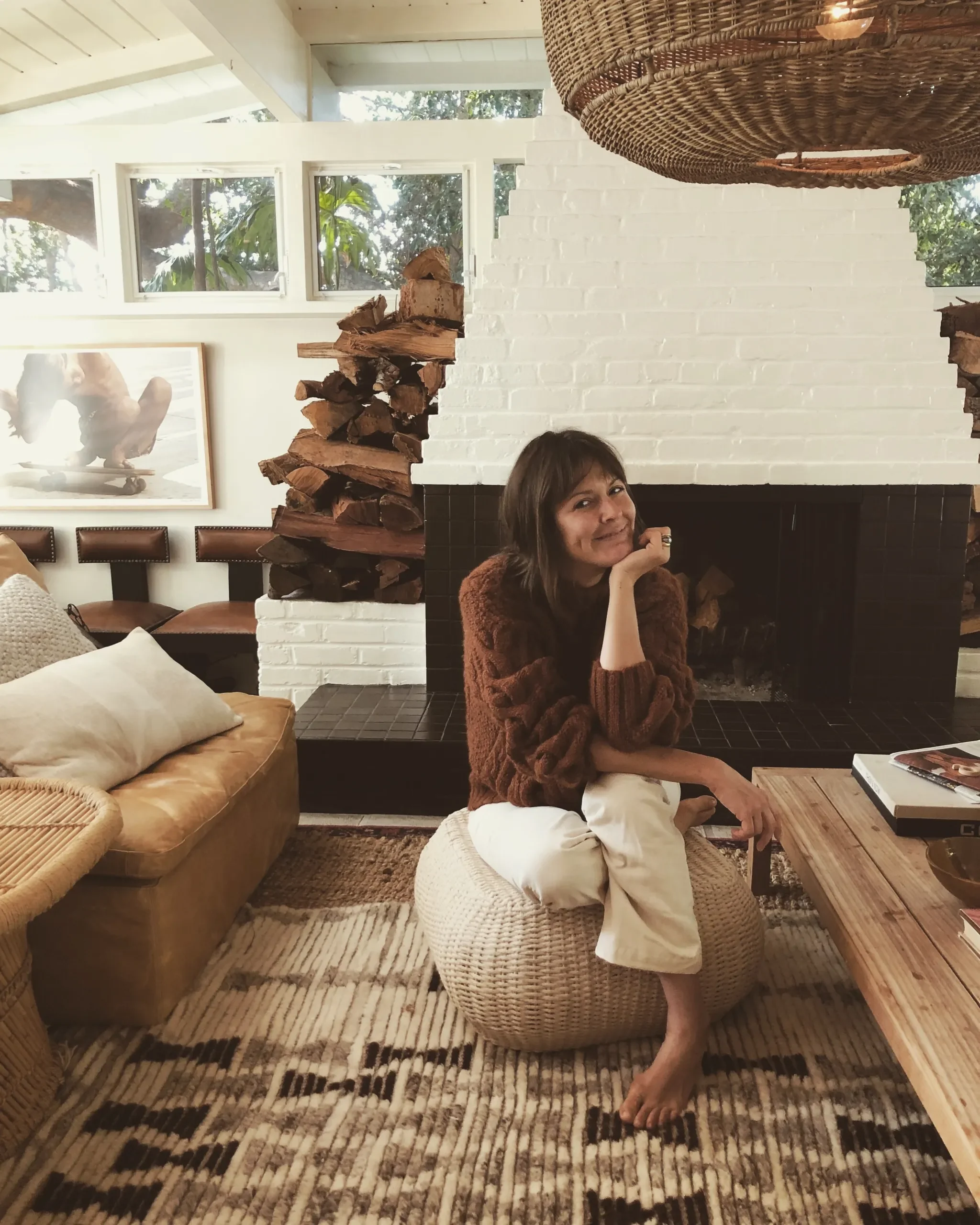
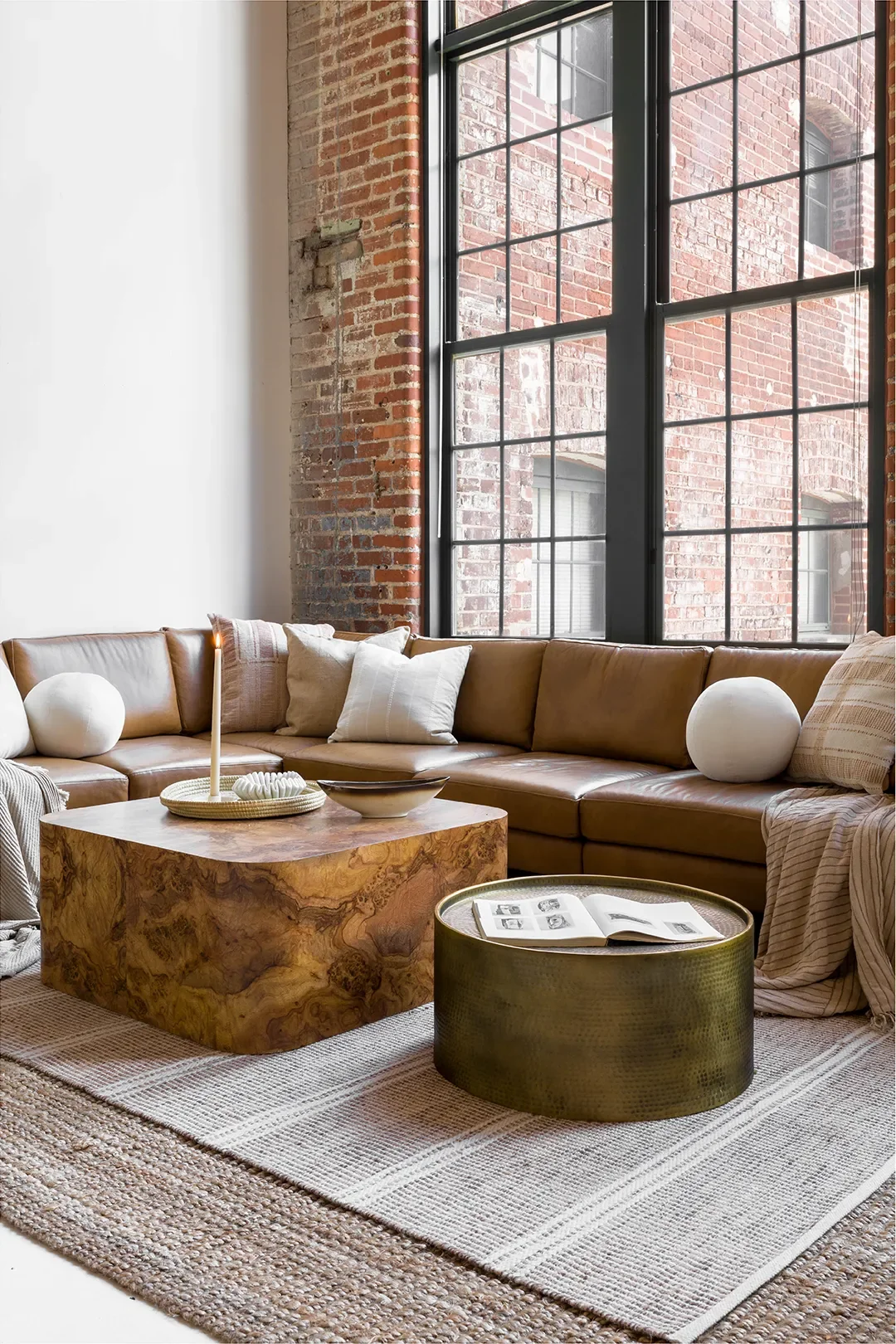
Courtney Favini did not receive her security deposit back when she recently vacated her Atlanta loft, and she's entirely at peace with that. “In the last three places I've lived, I haven't gotten it back, and I consider it a fair trade because I get to create the environment I want,” says Favini. The interior stylist views the risks she takes in her rentals as investments—they're often the very spaces where she produces content for brand partnerships. Even when the numbers don't perfectly align, removing her upper kitchen cabinets, for instance, delivers a sense of personal satisfaction that outweighs the cost. “My space profoundly influences my energy,” she explains. “I'd rather invest money and effort into making my home feel authentically mine.”
Favini did present her kitchen design intentions to the building's management team upon moving into the one-bedroom unit in June 2021. “I told them, 'I'll likely make some changes, but they'll be purely cosmetic. As long as you're comfortable with that, I promise it will look better,'” she recalls. The experienced renovator prioritized upgrades that would ultimately enhance the apartment in the landlord's estimation. With over 700 units in the complex, management was actually enthusiastic about having a residence that distinguished itself from the rest.
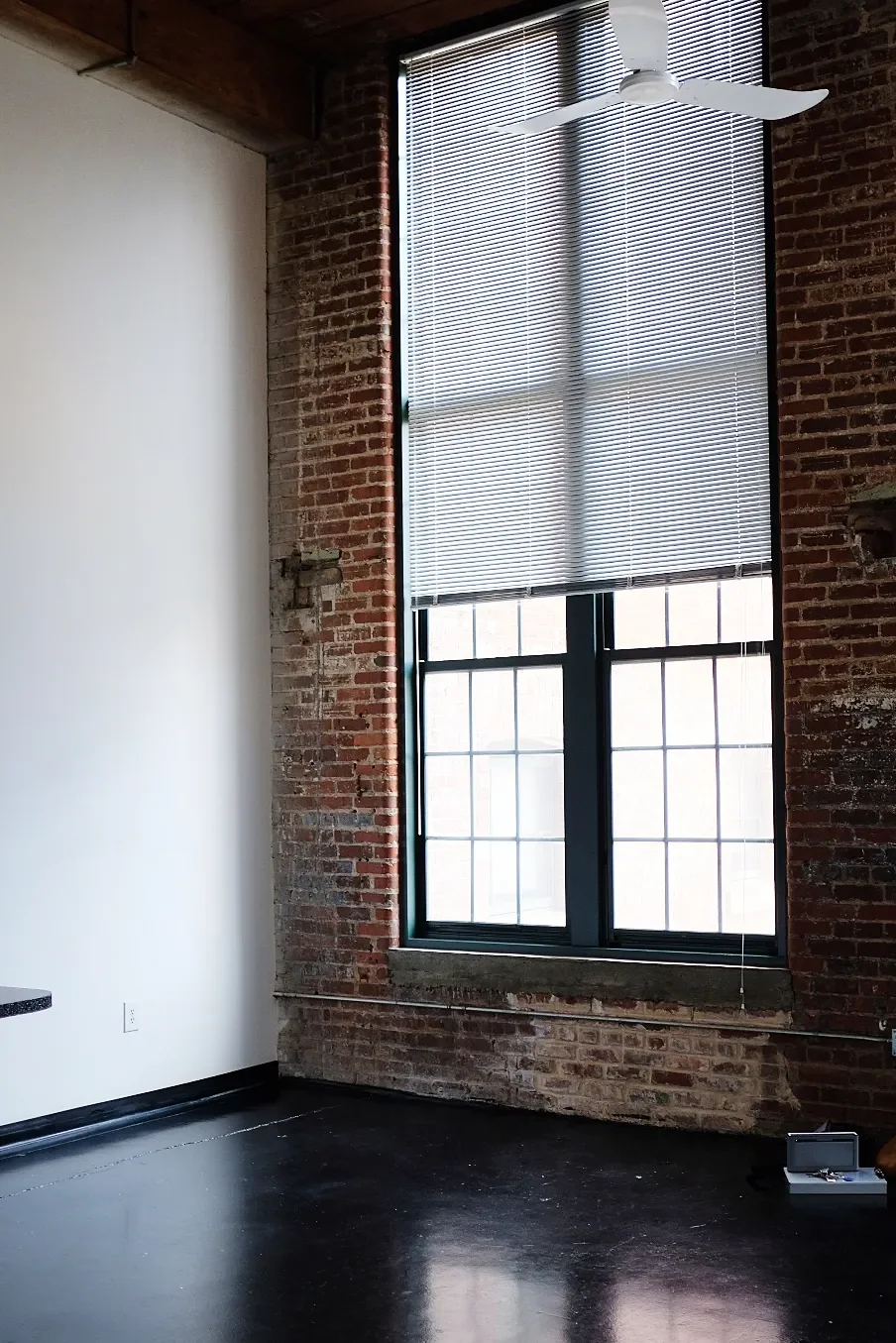
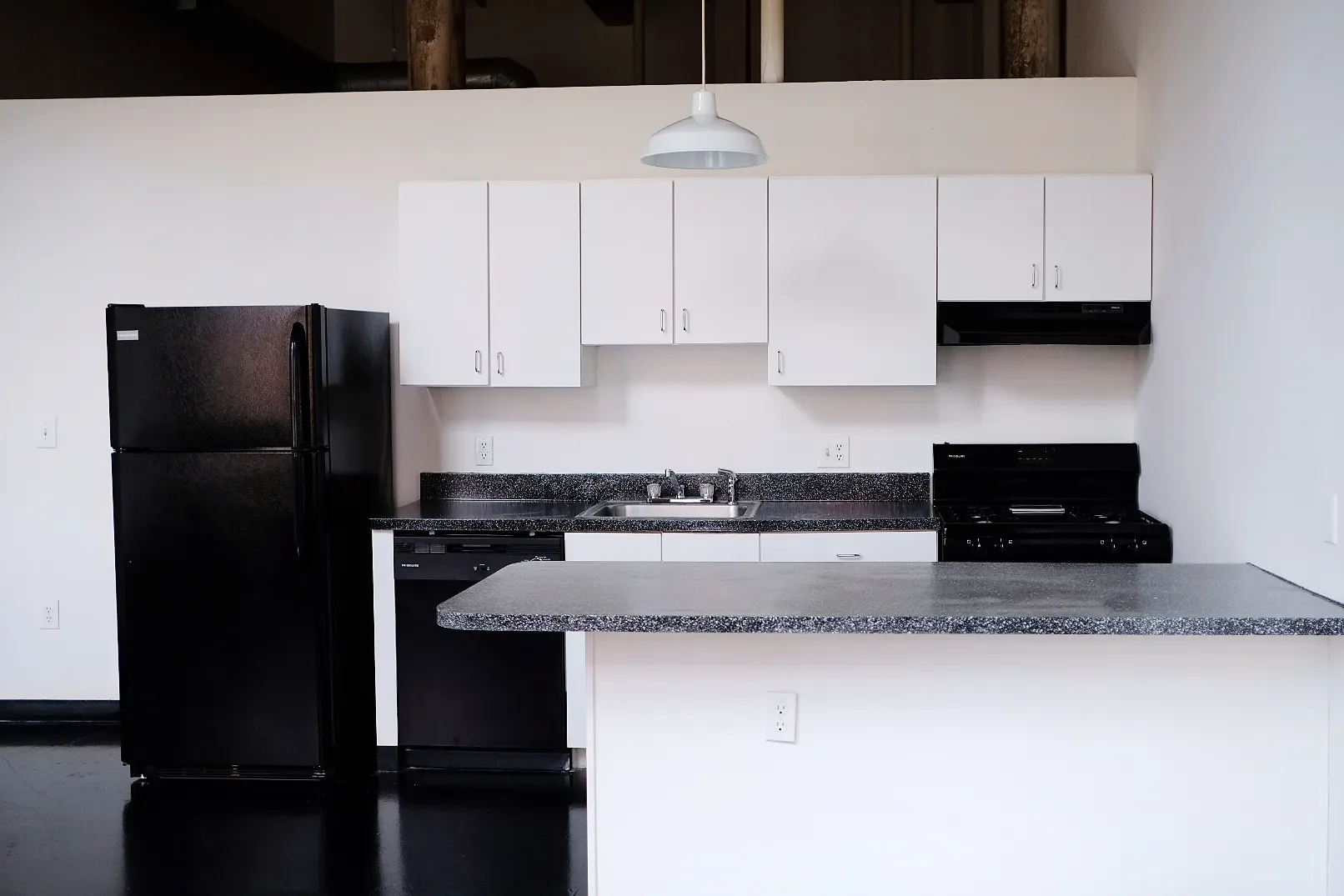
The entire cooking area presented a collection of eyesores demanding attention: an awkward, off-center peninsula; drab black flooring; and upper cabinets that appeared hastily installed. The most critical logistical step in Favini's plan was securing a nearby storage unit to temporarily house every element she couldn't bear to look at but would need to return for the next tenant. For $250 per month—plus the assistance of a mover friend compensated in cash and beverages—she stored the unattractive upper cabinets, island, dishwasher, range, and refrigerator out of sight. With the space cleared, the transformation could begin. Ahead, Favini shares in her own words how she personalized the space and why she holds no regrets.
The first step was painting the black floors white. Fortunately, I received the apartment keys approximately a month before moving in, allowing me to work unimpeded by boxes and furniture. The process was time-intensive: I sanded every surface with a palm sander, then applied four to five coats of Behr Ultra Pure White—an oil-based exterior and porch paint suited for high-traffic areas—using a roller. I soon realized that an epoxy coating would have been a more durable choice than standard paint, as the floors eventually showed wear and required periodic touch-ups.
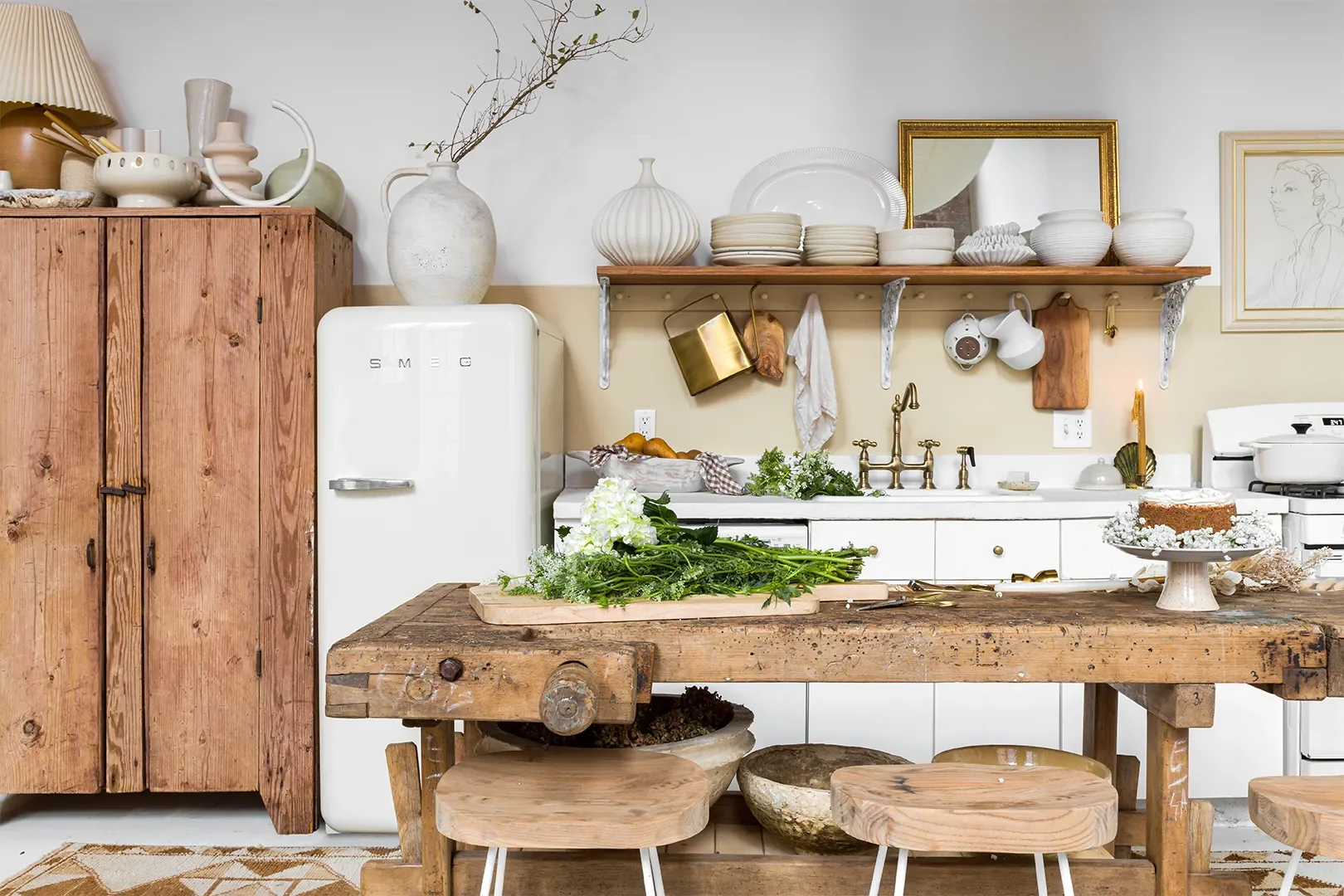
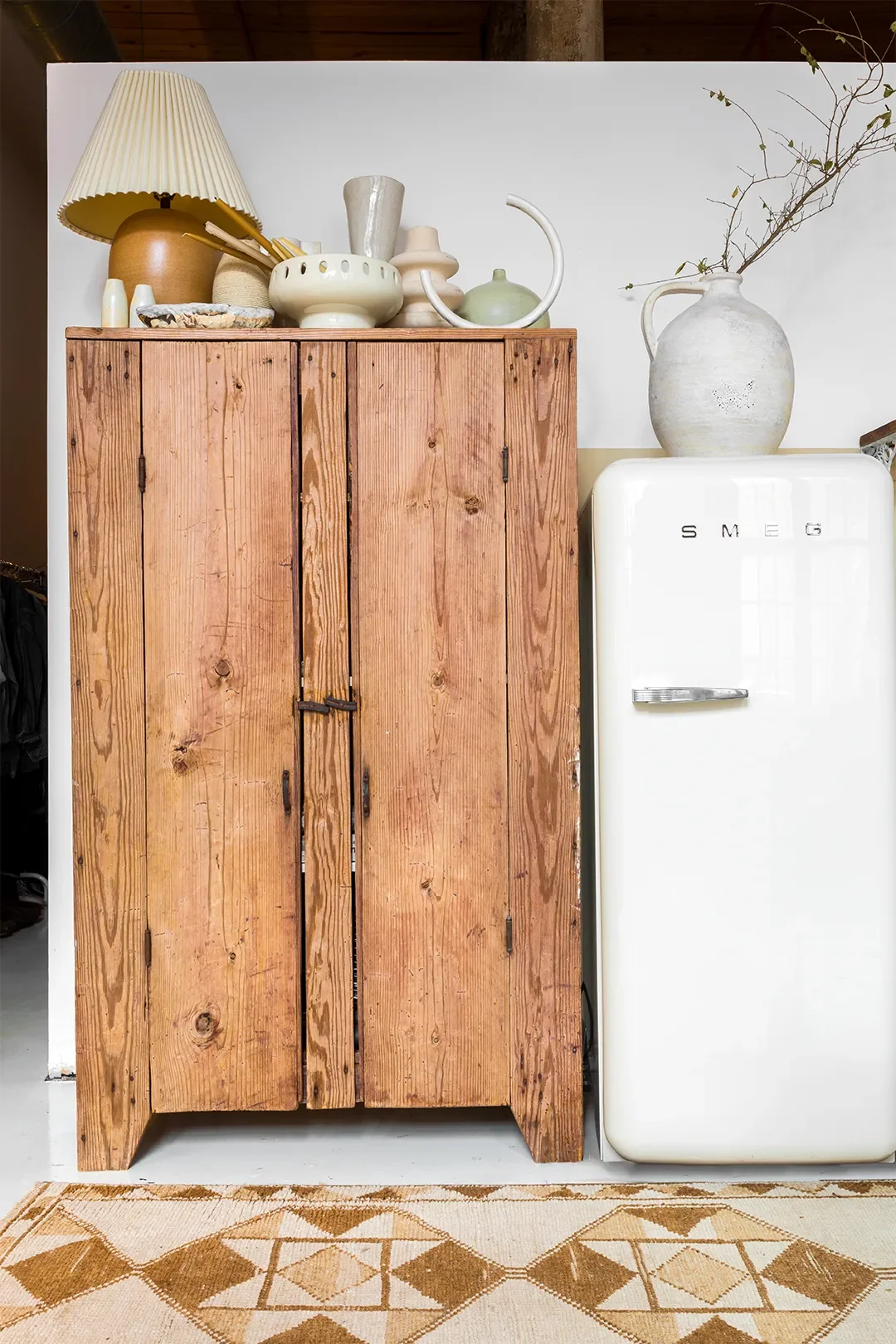
I remarkably found a Smeg refrigerator on Facebook Marketplace for $1,000—a virtually unheard-of price point. I immediately committed to the purchase, knowing it would move with me to my next residence, and placed the original black unit in storage. All remaining appliances were sourced through Home Depot: the GE dishwasher ($449) and range ($584) both in the brand's bisque finish. Purchasing through a major retailer streamlined delivery and installation logistics within my building.
To conceal the dark granite counters, I purchased a bag of Ardex—a textured concrete-resurfacing compound—for approximately $40 on Amazon. After sanding the surface to create adhesion, I blended the powder with water, applied it using a putty knife, and sealed the finish with a water-based sealant. The result harmonizes beautifully with the white cabinetry.
Hiring a plumber for $500 to remove the standard stainless steel sink and install a refined white porcelain basin with a brass faucet was the single change that made the space feel truly personal. The porcelain sink was a higher-end investment at $618, while the antique-style faucet from Overstock proved an exceptional value at $220.
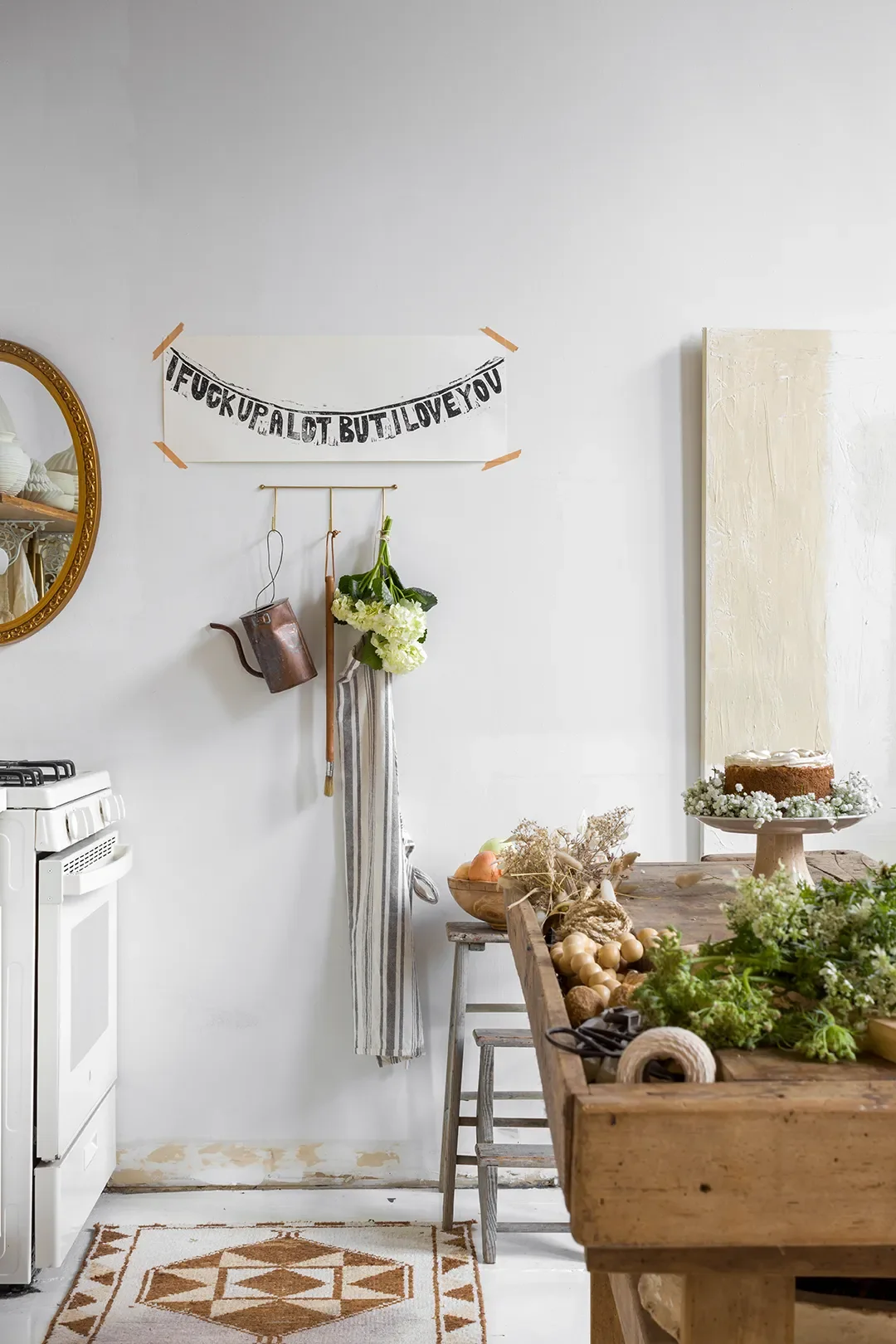
I would have loved to install an organic, earthy tile backsplash, but given the modifications I'd already proposed to building management, I recognized that would overstep. They confirmed that paint was permissible, so I introduced visual depth by coating everything below the open shelf—actually a stair riser sourced from a local reuse center—in Behr's Cream Puff. The peg rail from the Container Store received the same treatment.
With ceilings soaring to 20 feet, hiring an electrician to replace the fixture would have required an impractically large ladder. Instead, I executed the change myself without any rewiring: I removed the plastic shade and positioned a paper lantern over the existing bulb. The same approach applied to the living-dining room sconce, where I swapped the old cover for a rattan bowl—cutting a hole through its base—and installed a larger globe bulb.
My Smeg refrigerator and the $100 vintage wood chest repurposed as a pantry were non-negotiable keepsakes when I relocated to my home state of Pennsylvania. I left behind the new cream-finish appliances, the sink, and the $200 island and stools acquired from an antiques auction. I then retrieved the original black refrigerator and upper cabinets from storage so the incoming tenants would have the option to reinstall them. I asked management to let the next residents know they were moving into a space where every element was chosen with intention.
Lydia Geisel has been on the editorial team at Domino since 2017. Today, she writes and edits home and renovation stories, including house tours, before and afters, and DIYs, and leads our design news coverage. She lives in New York City.
Learn more about Domino.comEditorial Standards